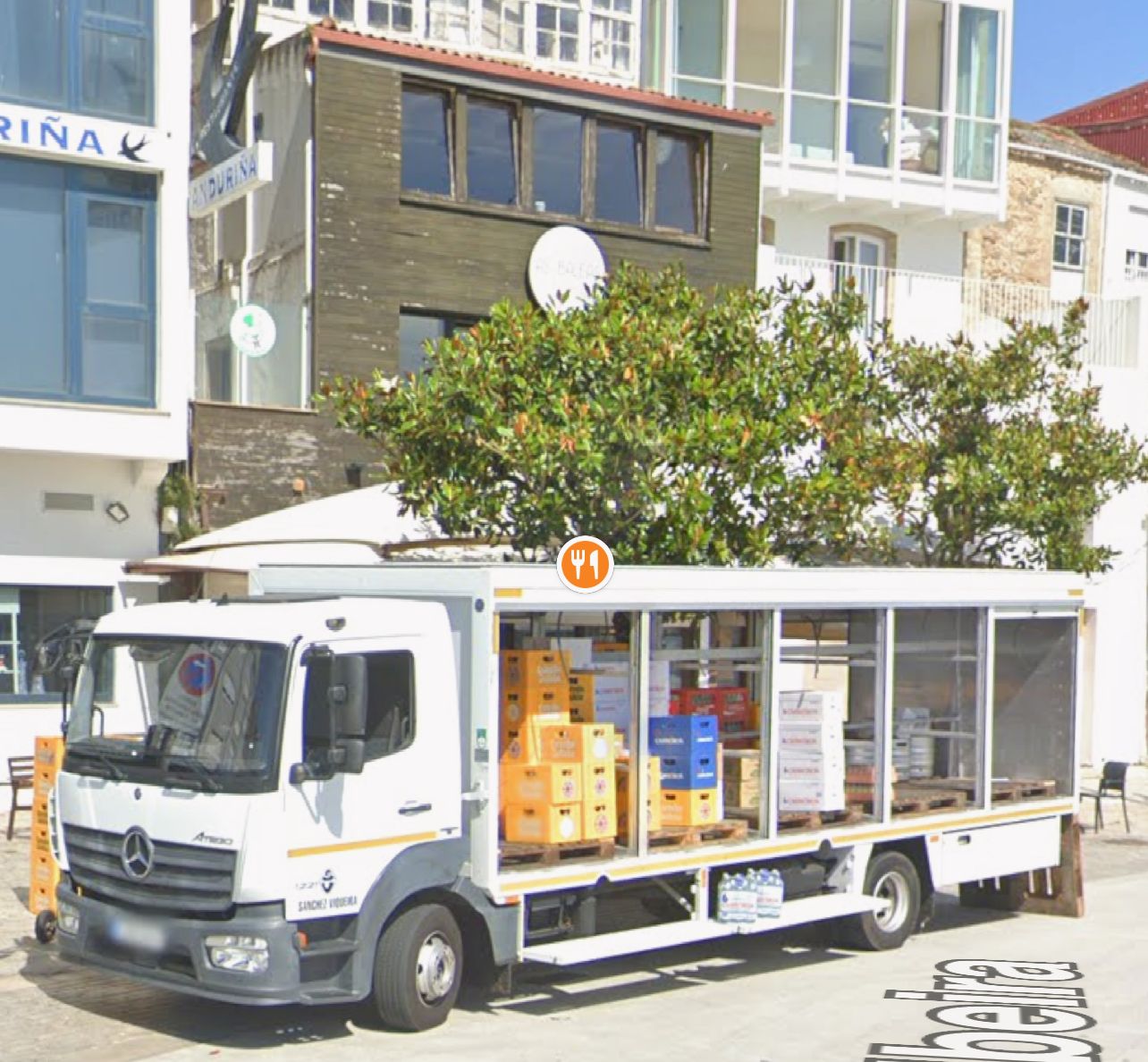
Built for beverage and beer wholesale distribution

Deliver up to 40% more delivery points per route

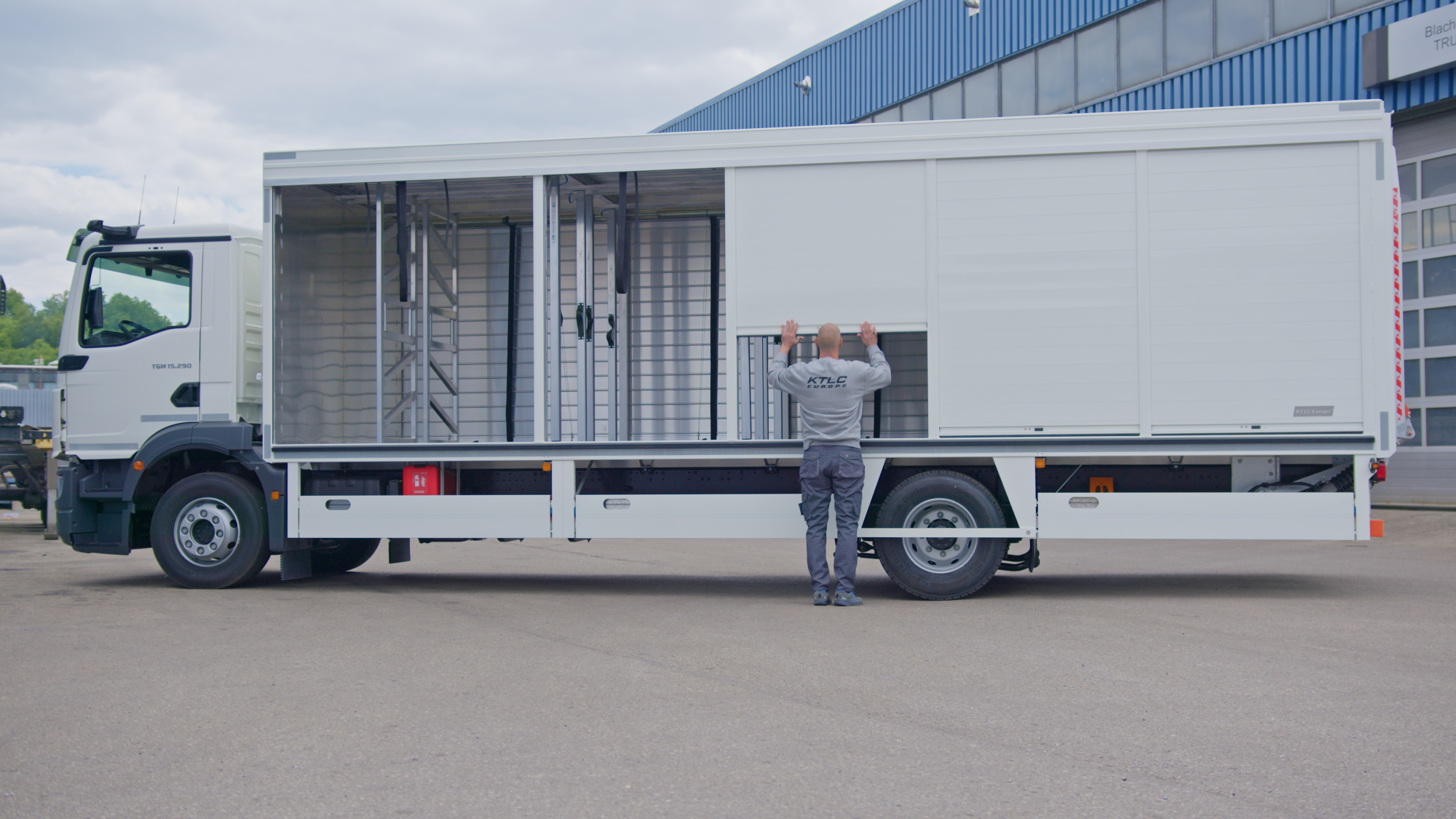

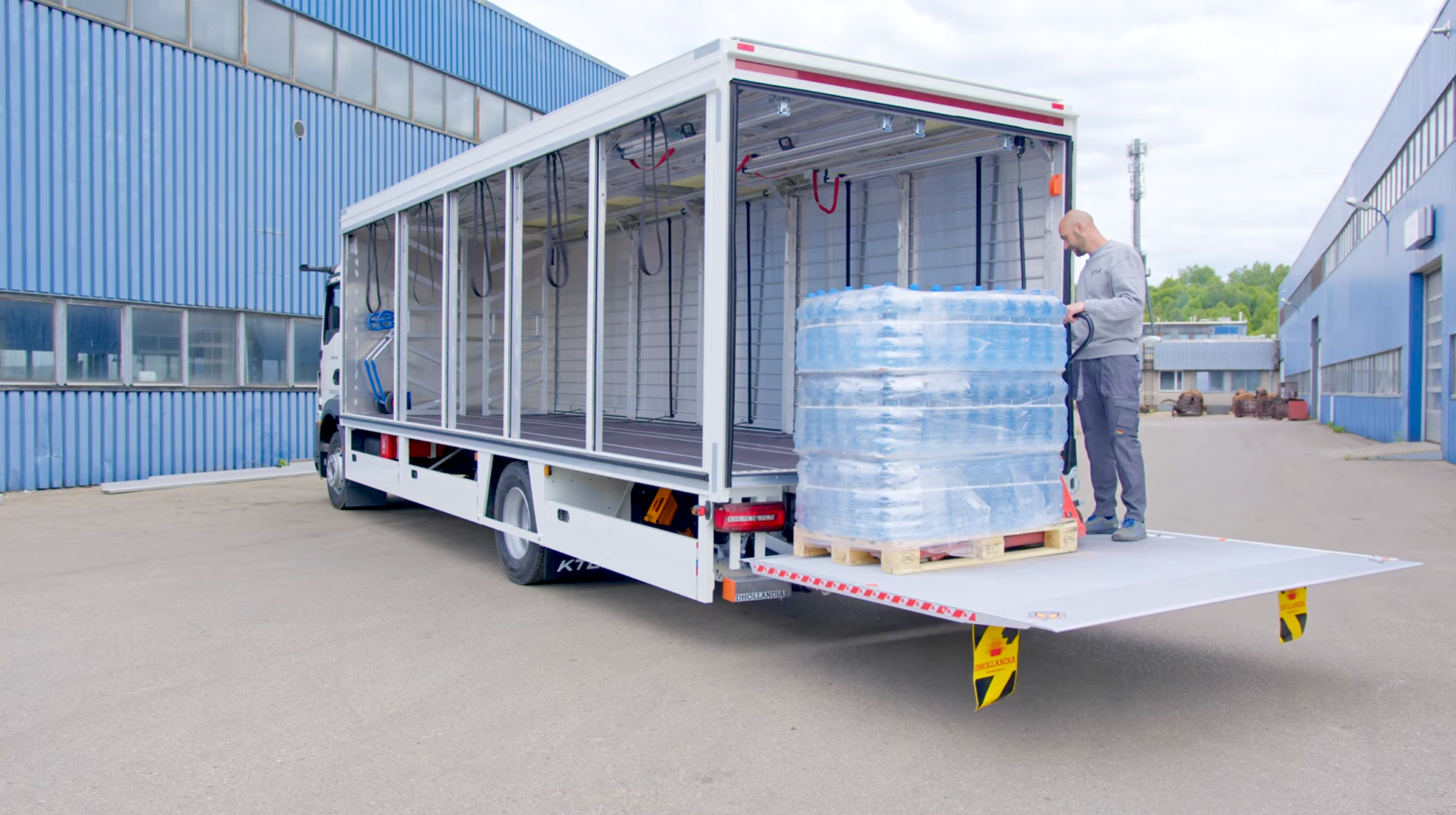
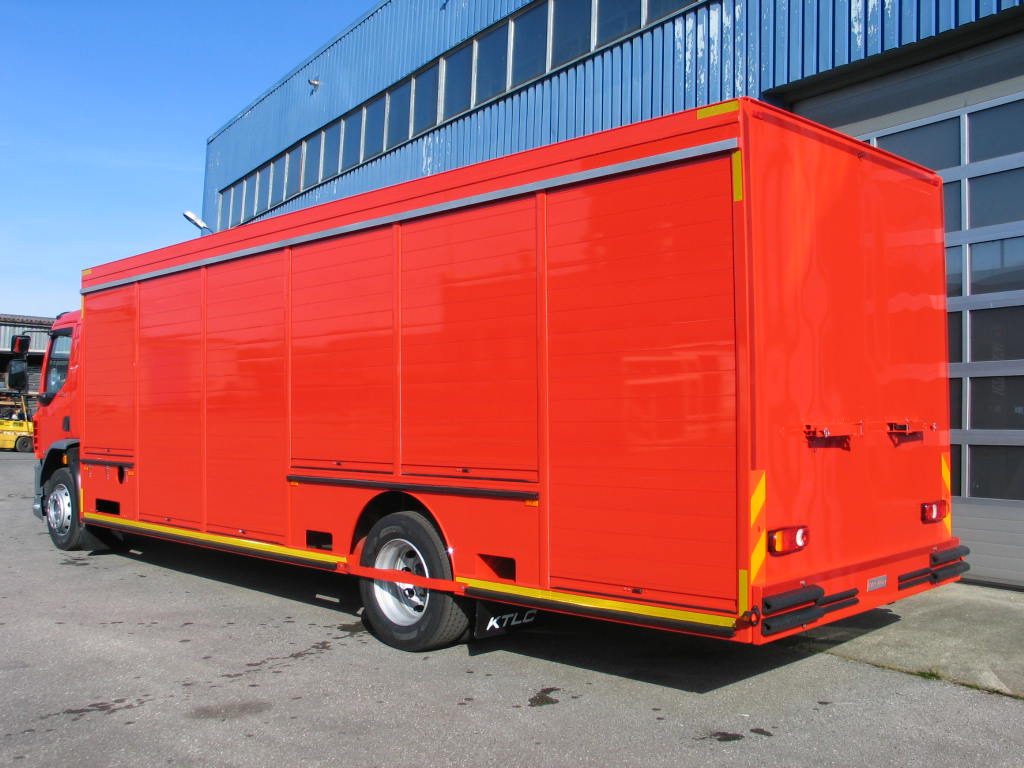
KTLC roll-up door bodies reduce loading and unloading time. Lightweight aluminium construction maximises payload, while side access and a rear tail lift help your team deliver more with the same vehicle.

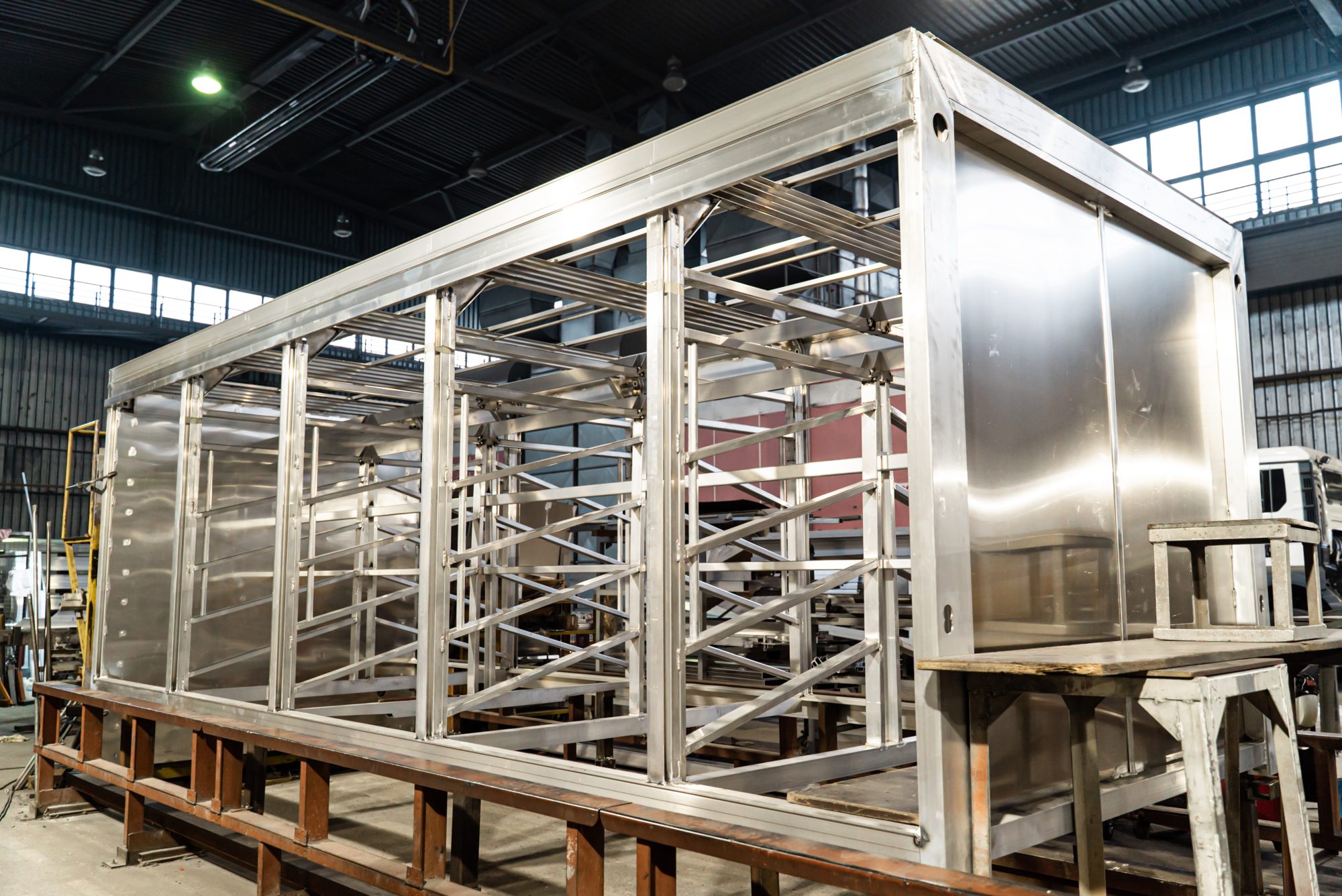
Fully welded aluminium, built around your routes, load mix and unloading method, for cases, crates, kegs and mixed loads.

+40%
More delivery points per route
4–6 min
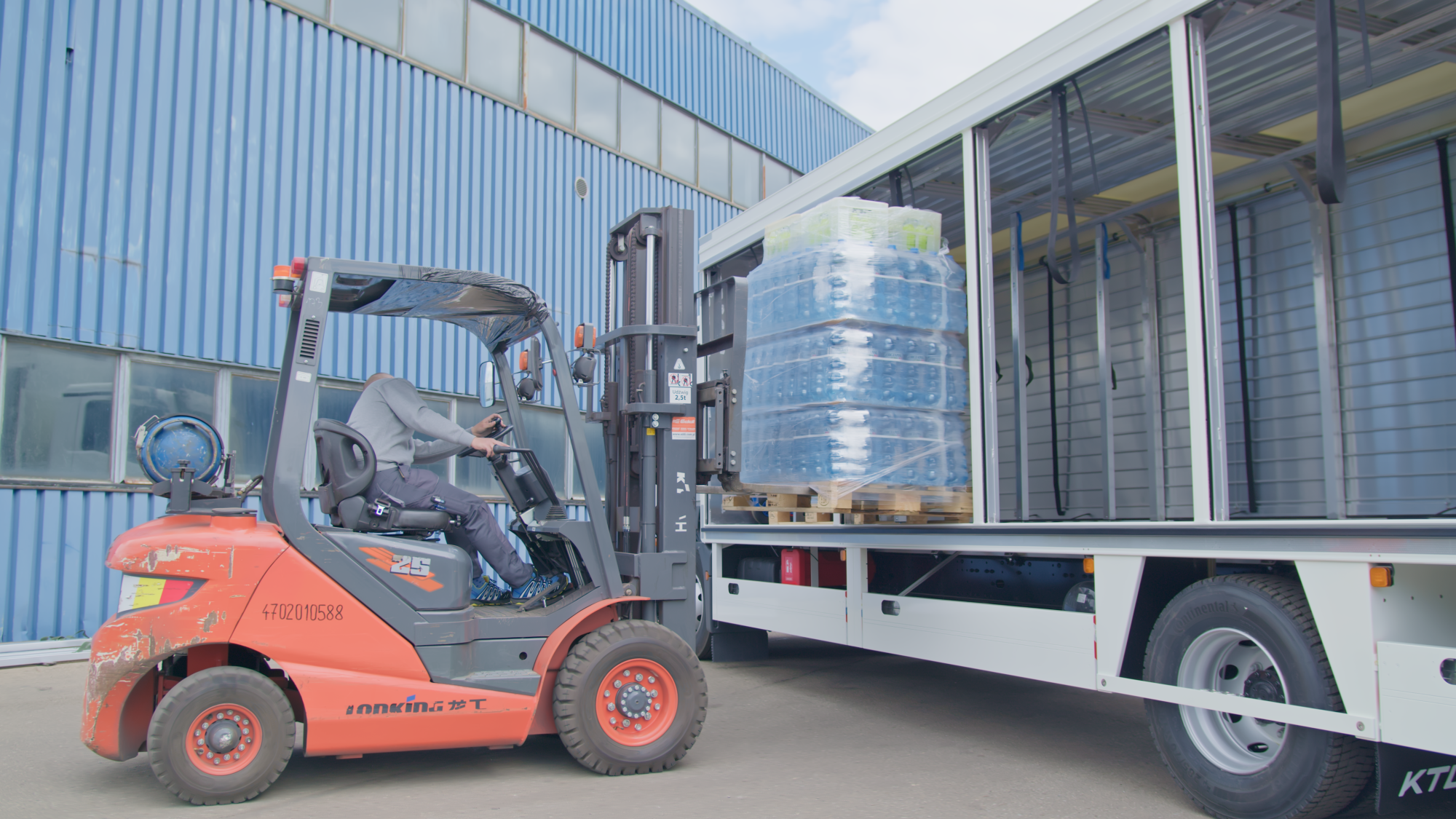

Side loading by forklift
80%
Lower body and replacement-vehicle cost
KTLC Europe

Built around beverage and beer wholesale operations

Load faster. Deliver more bottles. Maximise payload. Stay on the road.

Turn your truck into a more efficient delivery system. Built for multi-drop beverage routes, KTLC bodies combine immediate side access to mixed loads with rear tail-lift handling — helping your driver unload faster and serve more customers on each route.

Faster access. More time for customers.

Faster access. More time for customers.

Reach the products you need through side roll-up doors. Use the rear tail lift for pallets and heavy goods. Spend less time unloading at each stop.

More payload. More products per route.

More payload. More products per route.

A lightweight aluminium body leaves more legal payload available for cases, crates and kegs — helping reduce trips back to reload.

Reliable bodies. More days delivering.

Reliable bodies. More days delivering.

Durable, fully welded construction helps reduce body-related downtime, route disruption and replacement vehicle hire costs.

Optional configuration

Dropped-frame body for a lower loading height

For beer and high-volume beverage routes, the body can be built on a dropped frame that brings the load floor down close to the ground. Kegs, crates and cases move on and off faster, the lift height drops, and the daily strain on drivers goes down, which speeds up every stop on a multi-drop route.

Dropped-frame body for a lower loading height

Engineered to fit the chassis brand of your choice

Compatible with major chassis brands

We configure the body around your route model, load mix and selected chassis platform, from 3.5t Category B vans through 14–15t Category C trucks.

Our engineering team develops each body individually, based on your delivery needs, the selected chassis, and the required homologation standards.

Own in-house engineering team
Designed for any chassis brand
Diesel or electric chassis platforms
Aligned with homologation requirements

Final fit depends on chassis specification, body layout and homologation requirements.

Proven over years in real beverage distribution

Results from real beverage distribution operations

The figures shown come from real beverage wholesale operations using KTLC bodies. Results depend on the route model, load mix, loading method, and vehicle configuration.

+20%
More delivery points per route
Spain · 14t MAN TGL · 10.5-bay beverage distribution
30 → 4–6 min
Loading time
Manual rear loading before vs forklift side loading after
80%
Lower repair and rental cost
United Kingdom · beverage wholesale · 8-year cycle
17+
Years still in daily use
Portugal · beer & kegs · fleet from 2007

Case studies

Before and after on real beverage fleets

Three beverage operations that switched to KTLC side-load bodies, and what changed on the route, in the workshop, and on long-term cost.

Spain: 20% more delivery points on the same route

The driver used to walk around the body searching for stock, losing time at every stop before the route could move on.

Spain: 20% more delivery points on the same route
Case study 01 Beverage wholesale · 14t MAN TGL · 10.5 bays · side and rear access
Before
Stock hard to find in the load
Driver circling the vehicle
Time lost at each stop
Fewer stops completed per shift
After
Immediate access from both sides
Segregated, ground-level stock
Foldable steps speed up handling
20% more delivery points per route

United Kingdom: body and replacement-vehicle cost down 80%
Across a large wholesale fleet, traditional bodies meant constant repairs and rental cover during downtime.

Before
€300–500 per year in body repairs
Jammed doors and forklift-damaged guides
Torn curtains
€600–800 per year in replacement-vehicle rental
After
0–1 body repairs over 8 years
Vertical guides resist forklift impact
No curtains to tear
Body and replacement-vehicle cost down 80%
Portugal: bodies still running after 17+ years

Bought in 2007 for beer and keg distribution, the bodies were transferred to new chassis in 2017 and are still in daily use today.

Result
17+ years in intensive daily use
2 bodies resold in 2019, confirmed resale value
8 bodies still in daily use

Total cost of ownership

Why the cheaper body costs more over 15 years

A steel and curtain body wins on the first invoice and loses on every one after. Across a 15-year window the upfront saving is wiped out by repairs, downtime, replacement vehicles, and buying the body two or three times over.

Conventional — steel body with curtain
KTLC — aluminium side-load body
Upfront investment
Lower
Higher
Service life
Shorter, typically replaced more than once over the same period
Longer, built to outlast multiple chassis cycles
Repair exposure
Recurring curtain, lock and corrosion repairs
Reduced, fully welded aluminium structure
Downtime exposure
Higher, repairs and replacement cover add up
Lower
Residual value
Minimal, steel bodies are typically scrapped
Chassis- and configuration-dependent, reviewed per fleet

The cost gap compounds over a multi-year duty cycle. We review the exact numbers for your fleet size and routes during the fleet and route review.

Based on a 15-year model comparing a steel-and-curtain body with a KTLC aluminium body. Actual figures depend on fleet size, routes, load mix, chassis and body configuration.

Implementation process

How the project moves from concept to delivery

Each body is built around your daily distribution model. We analyse your routes, stops, load mix and unloading method, then move through body configuration, production, and final delivery ready for operation.

01 · Review

Fleet and route review

We start by analysing your daily distribution in detail, including your delivery model, routes and loading method.

02 · Configuration

Body design

The body is designed around your operation, with bay layout, access logic, payload capacity, and vehicle fit matched to your daily needs.

03 · Production

Body production

Once the body configuration is agreed, the project moves into production, with the body built and prepared technically for the next stages.

04 · Delivery

Ready for operation

Body installation can take place at our plant or locally, at a service partner selected by you, anywhere in the world.

Decision-stage questions

Key questions beverage distributors ask before changing body concept

The point is not a one-size-fits-all body. It is to see whether the body design fits your route model, load mix, and delivery workflow.

Yes. The bay layout is designed around your SKU mix and the way your team handles it, whether by forklift, pallet truck or by hand. Side and rear access let the driver reach the right stock directly, so the same body works across cases, crates, kegs and pallets rather than forcing a single load type.
Service is simple. In normal daily use, only three elements are subject to standard maintenance: the roll-up doors, the locking system, and the side steps. These parts are easy to service, and if needed, mostly every local service partner can be trained to maintain and repair your body.
Yes, if your route would benefit from faster access and higher drop productivity. In several beverage operations, the biggest gains came from moving beyond slow manual rear loading and reducing the time the driver spends at each stop, which raised the number of points covered per shift.
We begin with a review of your routes, load mix, delivery method, and chosen chassis. The body is then designed around access, bay structure, and loading flow, so it matches your daily operation rather than forcing your team into a standard setup.
The chassis is chosen by you, from 3.5t Category B vans through 14–15t Category C trucks, diesel or electric. We then design the body around that chassis, taking into account the wheelbase, technical specification, payload needs, and homologation requirements.
Yes. Our bodies are designed in line with the guidelines and recommendations of the chassis manufacturers. Homologation can be handled by us, for example through IVA, or CoC for larger orders, or locally, depending on the market and project requirements.
In most cases, yes. Aluminium bodies are built to last well beyond a single chassis cycle, so after the old chassis is written off the body can often be transferred to a new one, in a 7+7 style approach. The exact fit, including for electric platforms, is confirmed through a technical and homologation review for the specific chassis.
The body changes the way the route works. Forklift side loading is faster than manual rear loading, and the driver gets immediate access to every SKU during delivery. That cuts time at each stop, supports more drops per shift, and reduces wasted time and fuel from return trips to the depot for reloads.
The next step is not a standard quotation. It begins with a review of your current operation, load mix, route model, and selected chassis, creating the basis for the right technical fit, body design, and next project steps.
The right evaluation should include your route structure, loading method, load mix, current body limitations, and fleet setup as a whole. For this reason, the first step should be a fleet and route review, not a standard price comparison.
Final step

Start with a fleet and route review

The first step is not a generic quote. It is a review of your route model, load mix and delivery workflow to assess operational fit.

Review of current routes and loading model
Assessment of technical and operational fit
Clear next-step recommendation for your fleet

Best fit for beverage and HoReCa distributors evaluating drop productivity, loading flow, payload, or body durability.

We review fit before discussing next-step options.

Request a review
Tell us about your route model and current setup, and we will review whether the layout fits.

We reply within one working day.

Operating daily in beverage distribution across Europe
HoReCa Retail & convenience Beer & kegs Mixed-SKU distribution Multi-drop urban routes