






Built for 5-Gallon HOD Fleets

Deliver up to 60% more
5-gallon bottles per shift

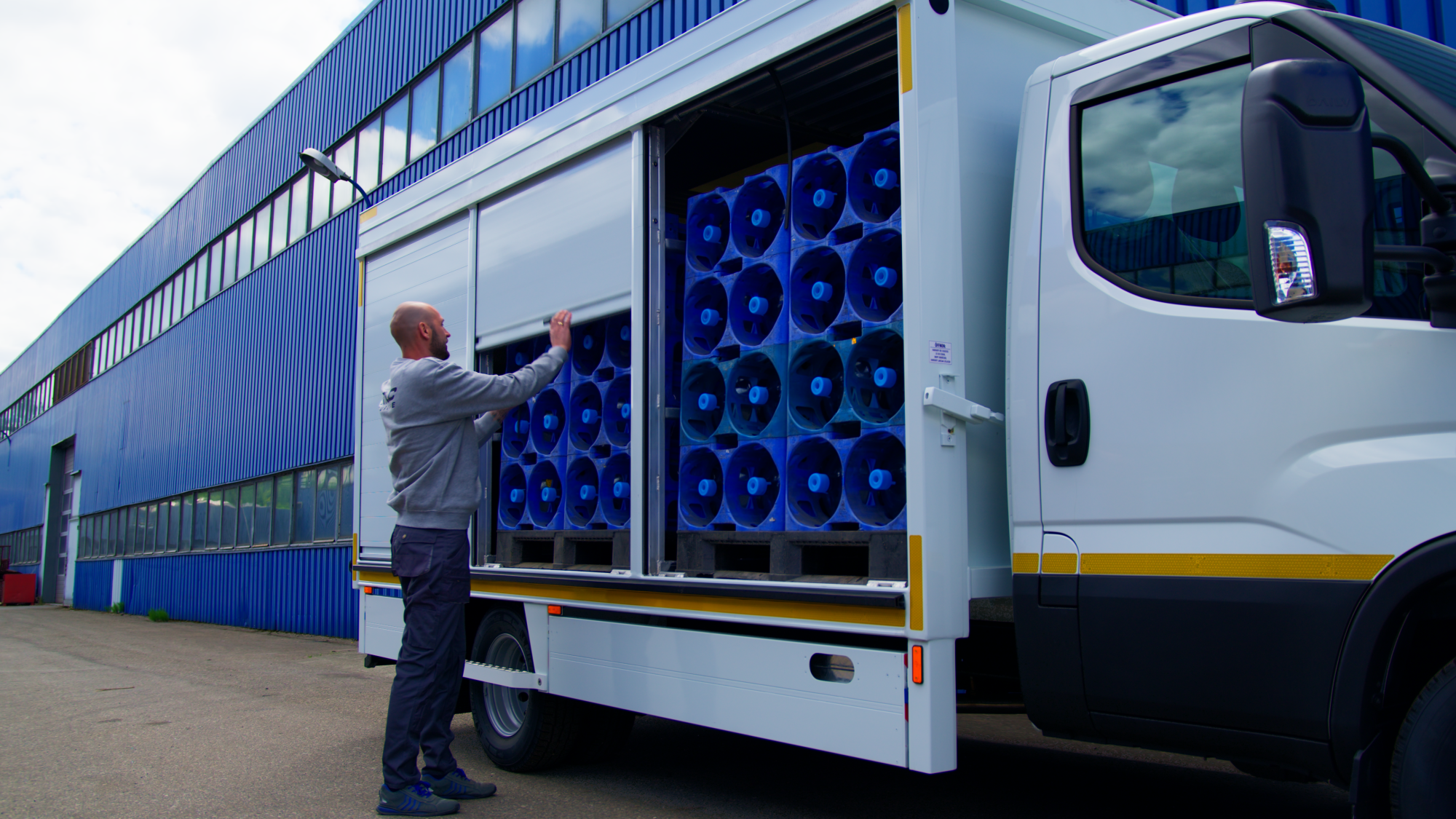
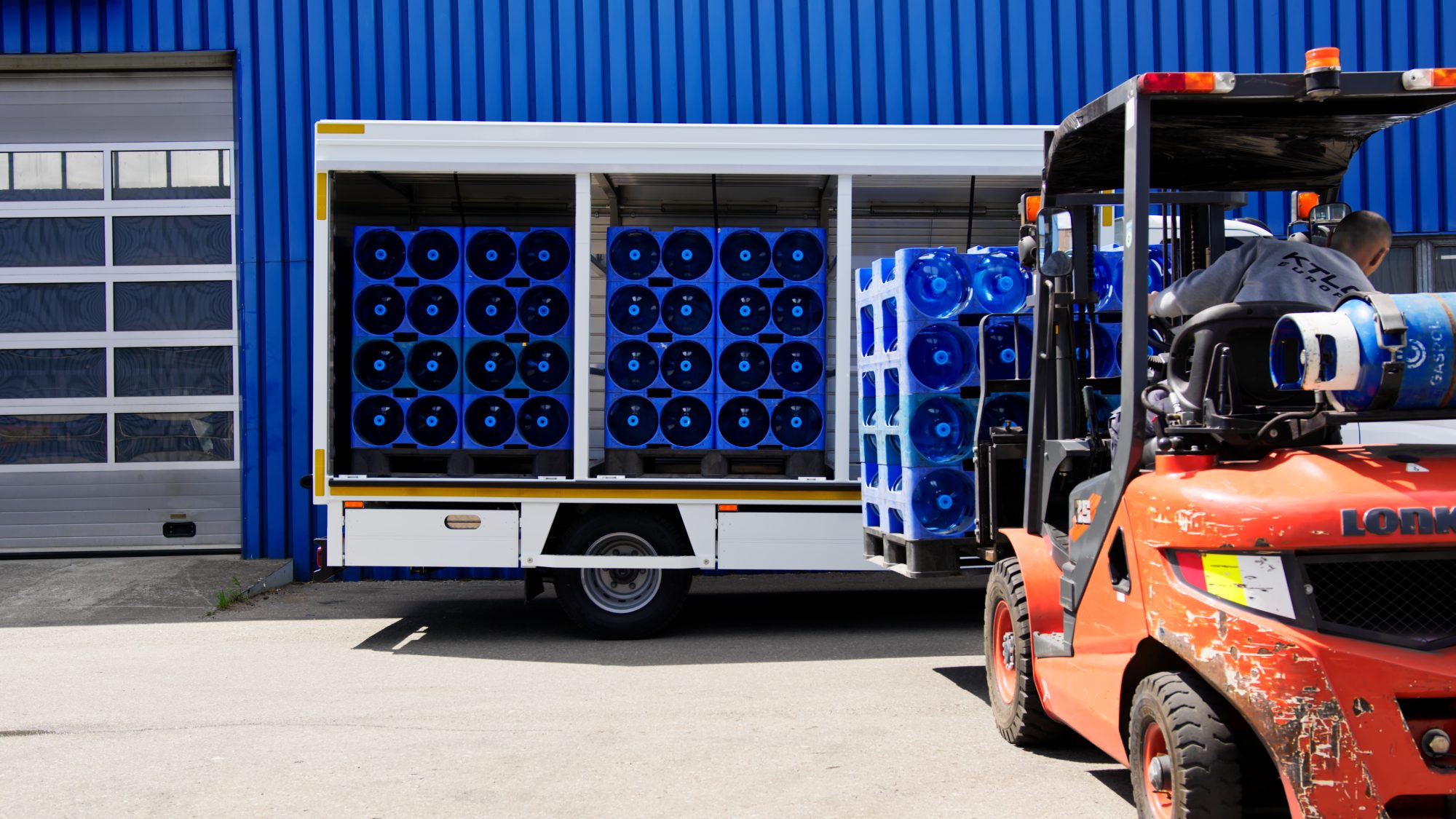

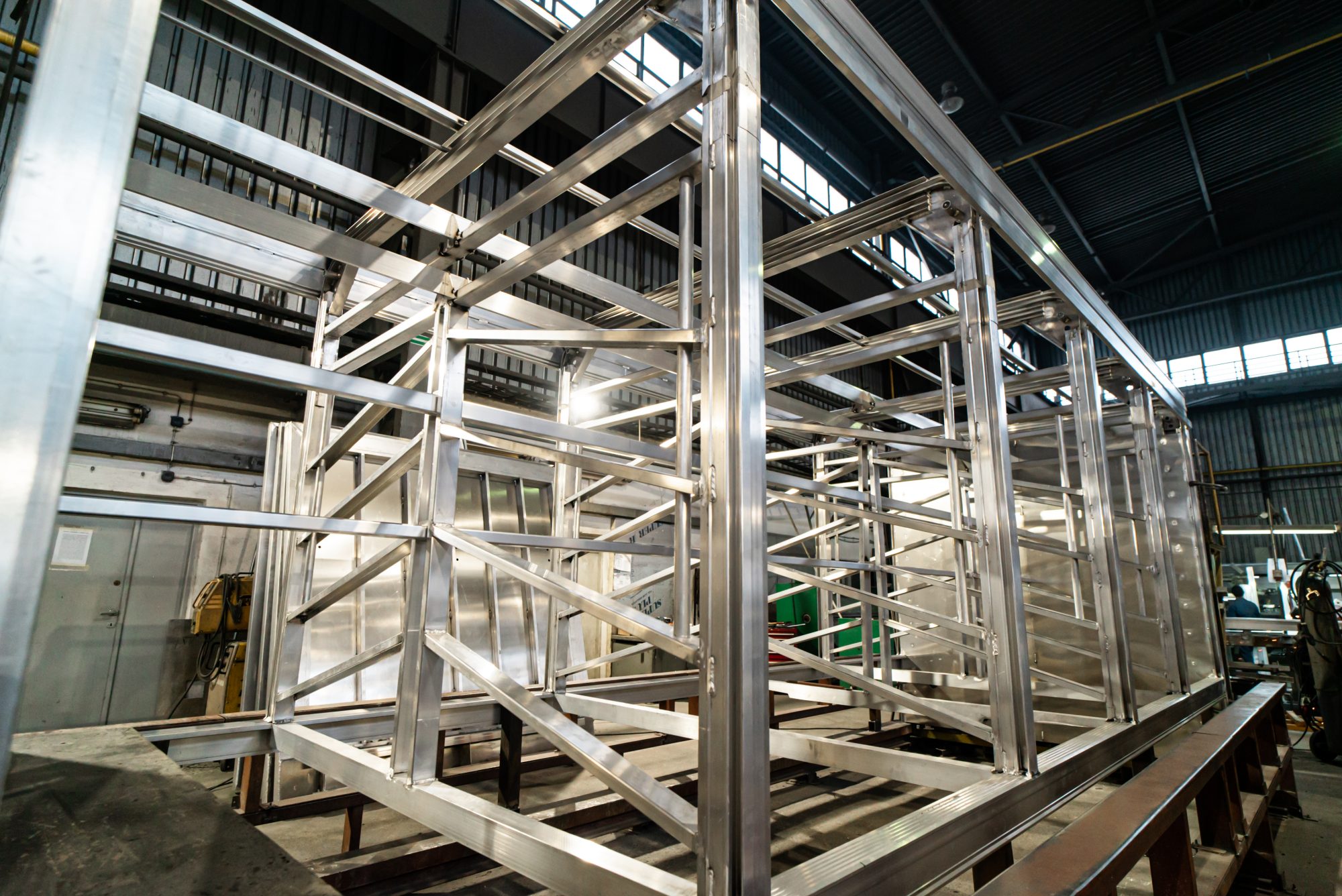
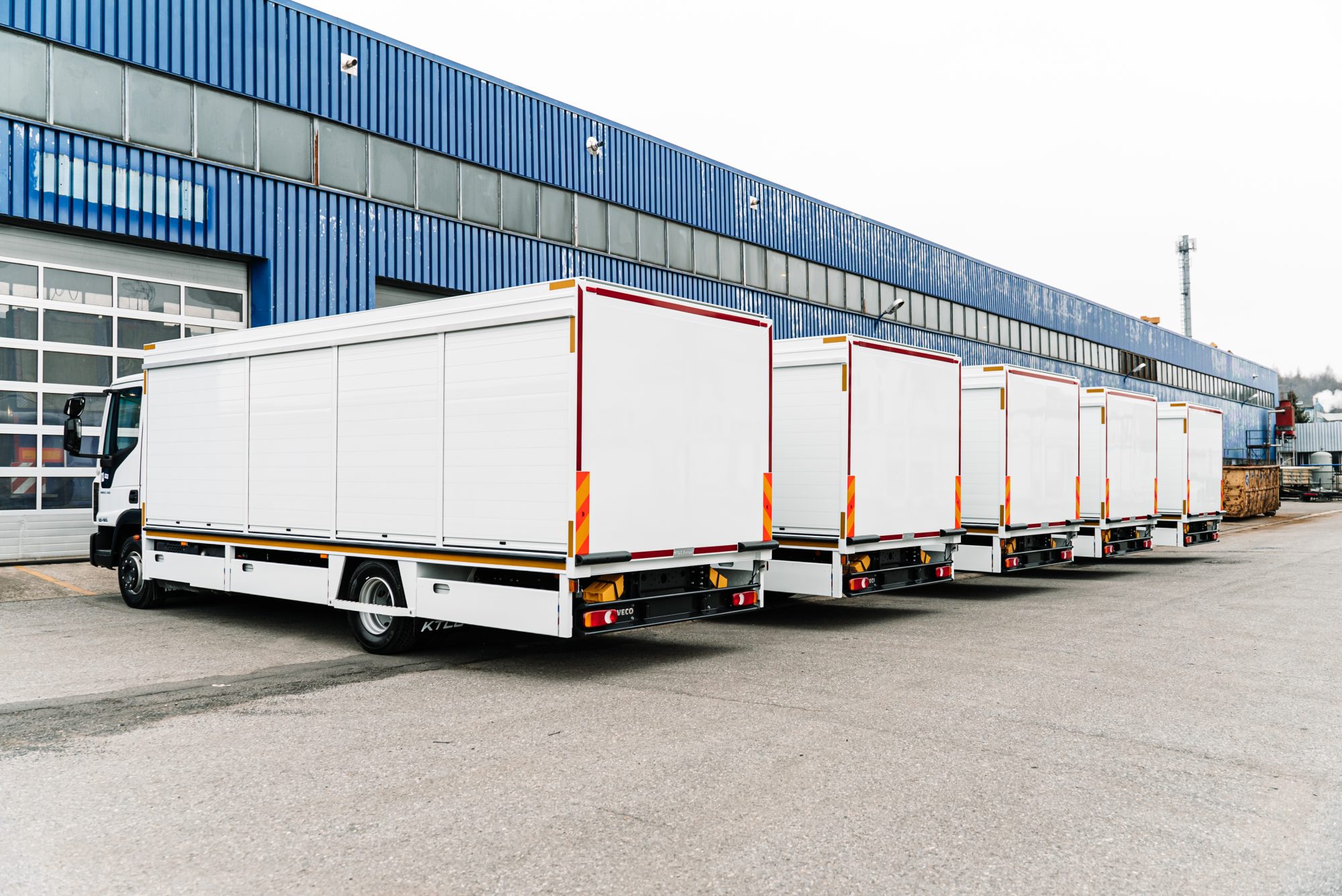
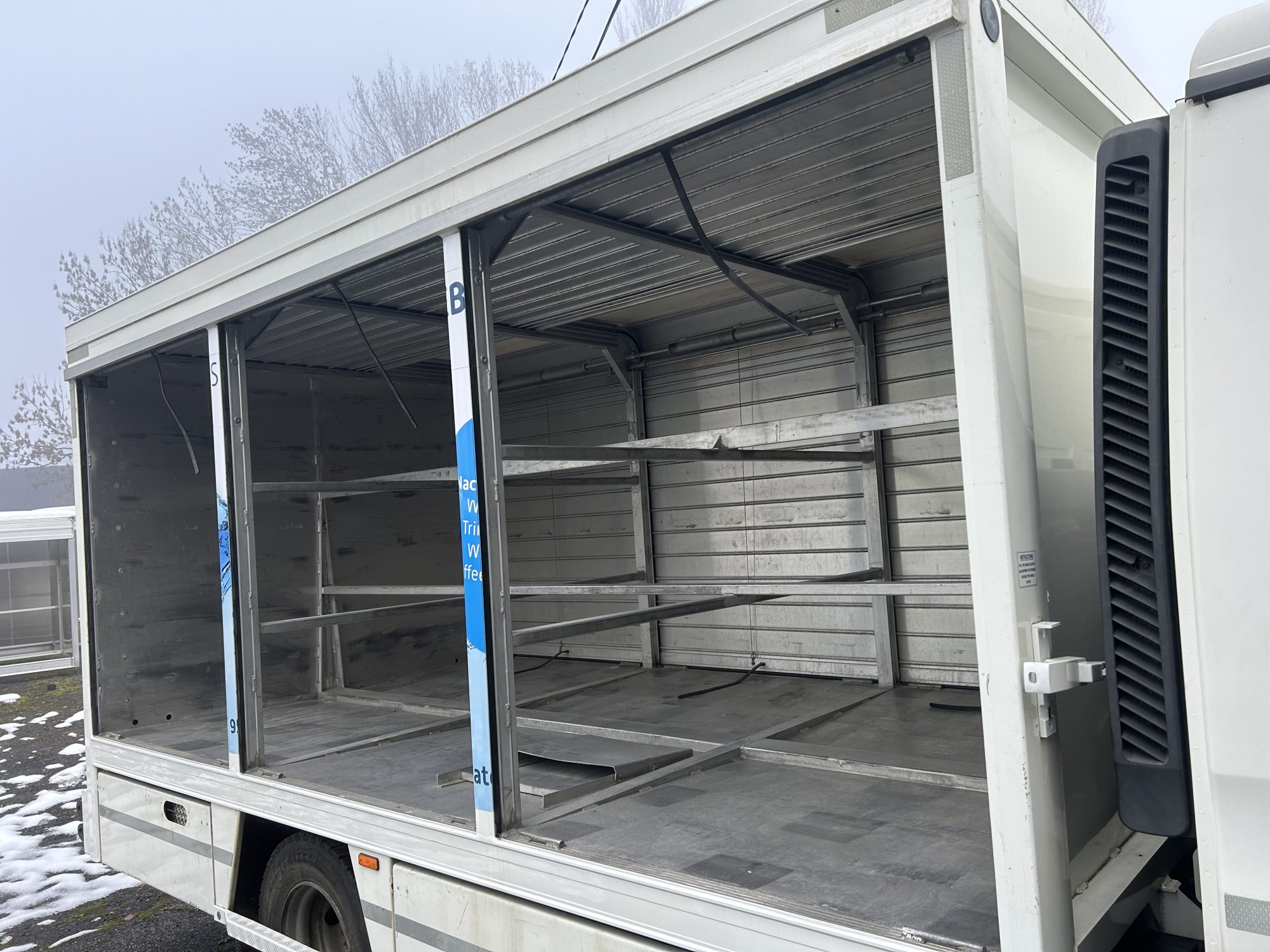
KTLC roll-up door bodies reduce loading time and improve payload efficiency through a fully welded aluminium design tailored to your operation.

Built around your daily delivery needs, routes, and matched to your current racks.

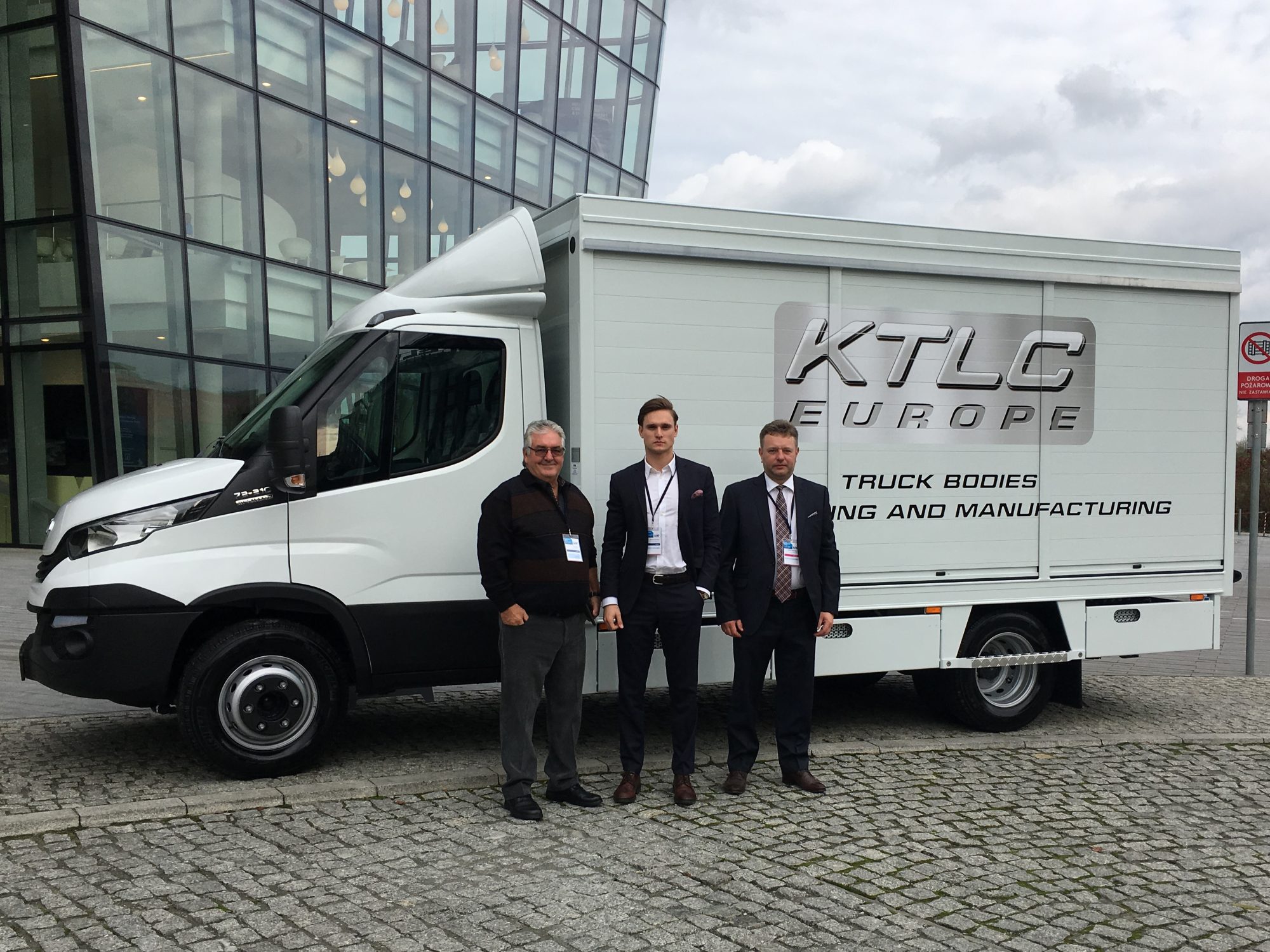
Trusted by leading names in 5-gallon distribution

Built around 5-gallon operations

Why Roll-up door system works for 5-gallon fleets

This is not just a body upgrade. It is a smarter delivery system built to help your team load faster, unload easier, and deliver more every day.

Ergonomics

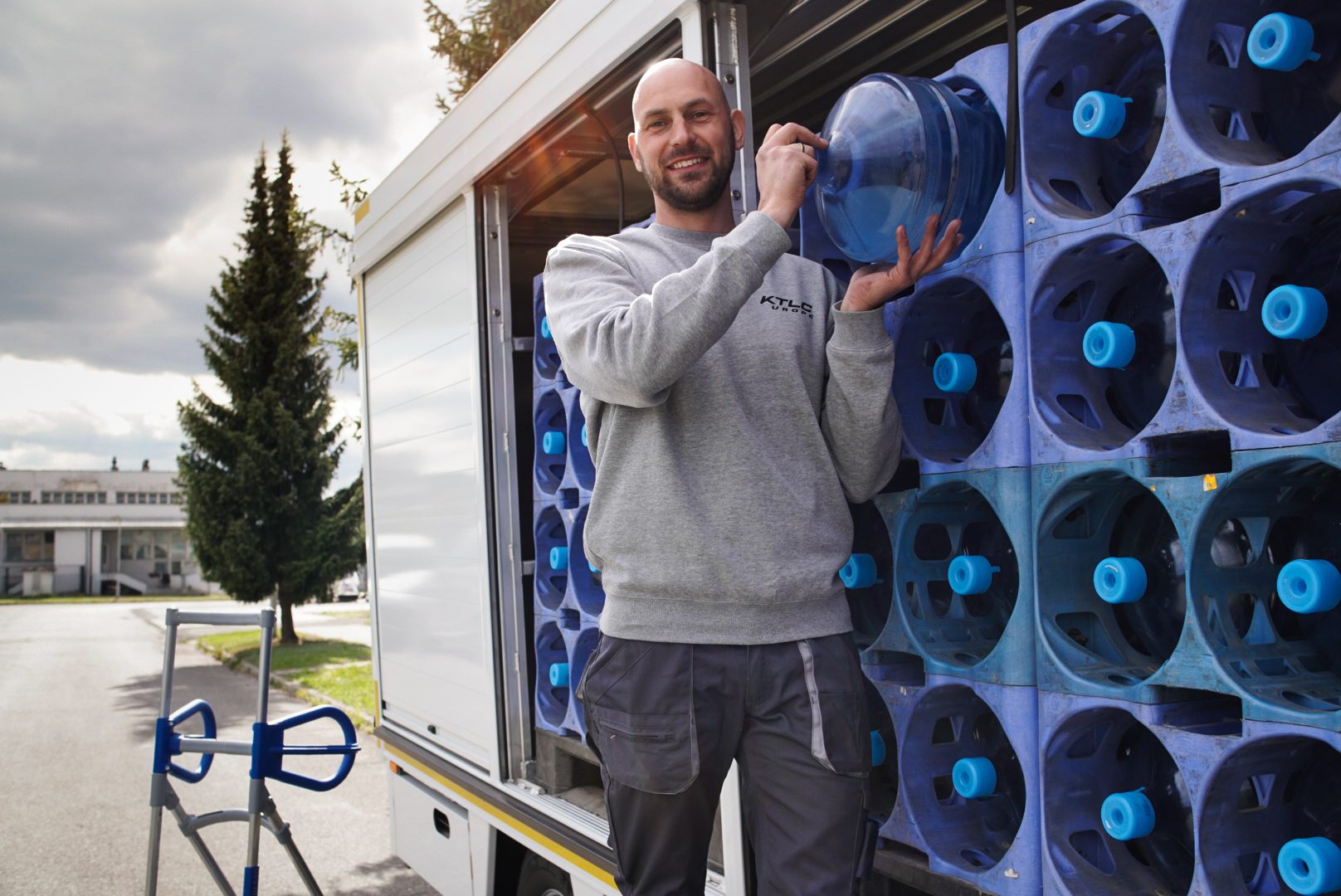
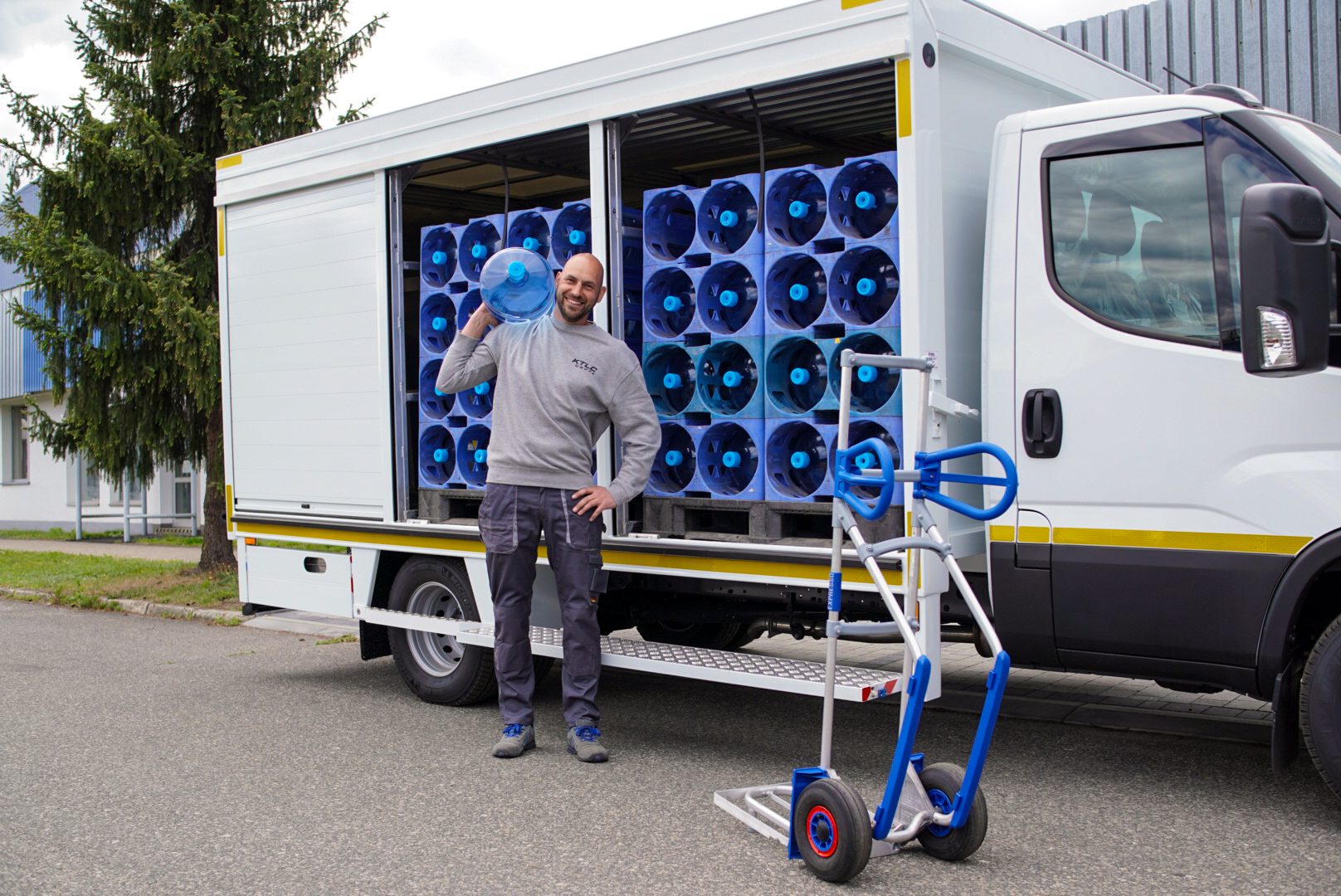
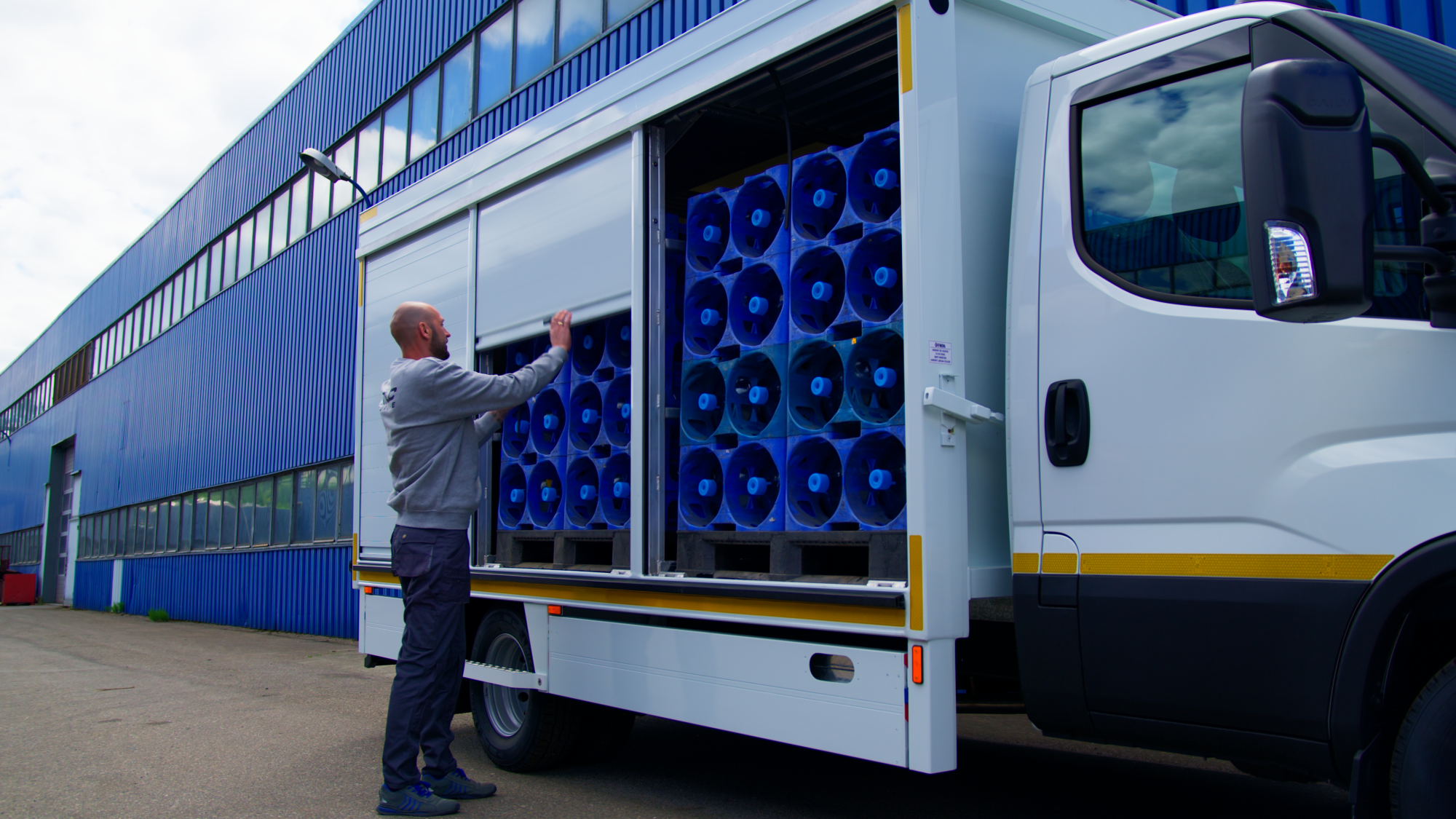
Immediate access through roll-up doors

Payload

Lightweight aluminium structure

Reliability

Fully welded aluminum is built for intensive daily use


Roll-up doors give immediate access to each bay, allowing the driver to reach the right bottles quickly and with less effort, without climbing into the load space or working in awkward positions that may lead to injury. This reduces wasted movement and makes unloading faster, simpler, and safer throughout the route.

  • Direct access to the right bottles
  • Safer unloading at every stop

The fully aluminium body keeps body weight low while maintaining the strength needed for demanding daily distribution. This helps you maximise legal payload, carry more goods on each route, and improve overall delivery efficiency.

  • Lightweight aluminium structure
  • Maximum legal payload

Fully welded aluminium is built for intensive daily use. A fully welded aluminium body is designed for demanding 5-gallon delivery work, helping reduce downtime, limit repair risk, and support dependable long-term operation.

  • Lower downtime risk
  • Built for long-term use

Designed around your delivery workflow, route model, and rack dimensions.

Engineered to fit any chassis brand of your choice

Compatible with major chassis brands

We configure the body around your route model, rack format and selected chassis platform.

Our engineering team develops each body individually, based on your delivery needs, the selected chassis, and the required homologation standards.

Own in-house engineering team

Designed for any chassis brand

Engineered to fit any chassis brand of your choice

Aligned with homologation requirements

Final fit depends on chassis specification, body layout and homologation requirements.

Results from Real 5-Gallon Operations

The figures shown are taken from real 5-gallon delivery operations using KTLC bodies. Results depend on the route model, loading method, and vehicle configuration.

Proven over years in real daily operation

Operational results depend on route structure, loading method, fleet setup and body configuration.

90

192

Bottle capacity per vehicle

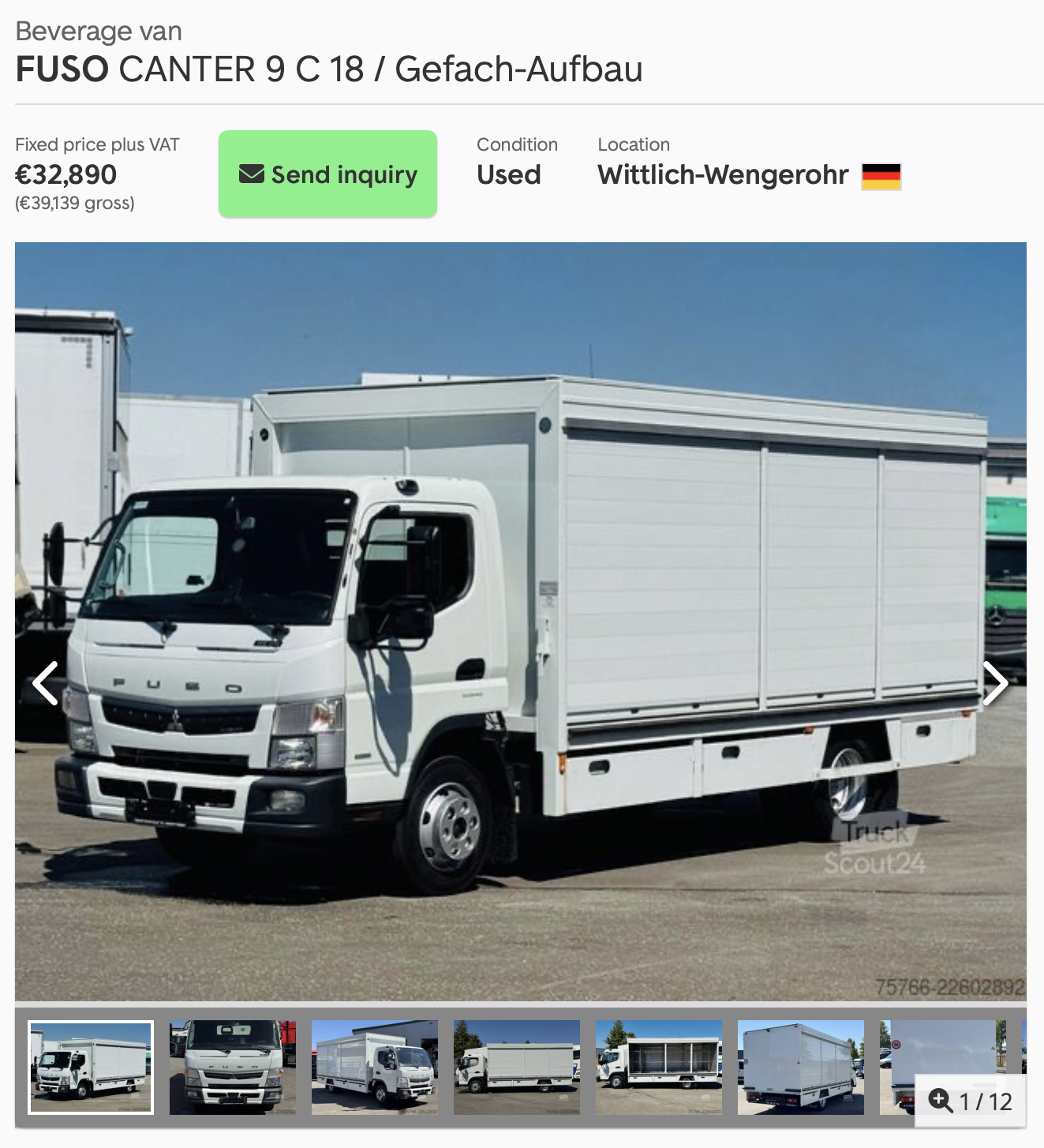
Germany | 7.5t Mitsubishi Canter | 5-gallon water

30 min

4 min

Loading time

Manual loading before vs
forklift loading after

0

Repairs over 8 years

Germany - 5-gallon operation Mitsubishi Canter

€18,000

Resale value after 8 years

Germany 5-gallon operation

Case study 01

5-gallon water · 7,5t VECO Daily · 6.5 bays · 192 bottles

The old van-based model limited delivery volume, required reload returns and created wasted time in loading and traffic.

Before

After

  • 70-80 bottles per van
  • 2 reload returns
  • ~1.5h lost in traffic
  • 2x 30 min manual loading

Germany: more deliveries per driver and truck

  • 192 bottles in 8h
  • Driver stays in delivery zone
  • 4 min forklift loading
  • Higher route productivity
Case study 02

Germany: 8 years of use with zero repair cost

5-gallon operation · Mitsubishi Canter · 8 years in use

This case shows the long-term reliability of the body and the resale value that remained after years of daily use.

Repairs in 8 years

Repair cost

Resale value after 8 years

€18,000

Zero repair cost over 8 years and retained resale value after long-term daily use.

€0

0

Implementation process

How the project moves from concept to delivery

Each body is built around your needs and your daily distribution model. We analyse your routes, stops, loading method, and rack type, and then move through body configuration, production, and final delivery ready for operation.

Review

Fleet and route review

We start by analysing your daily distribution in detail, including your delivery model, routes and loading method.

Current loading method

Fleet and route input

01

02

Configuration

Body design

The body is designed around your operation, with bay design, access logic, payload capacity, and vehicle fit matched to your daily needs.

Rack-matched layout

Vehicle platform alignment

03

Production

Body production

Once the body configuration is agreed, the project moves into production, with the body built and prepared technically for the next stages.

Body build

Homologation preparation

04

Delivery

Ready for operation

Body installation can take place at our plant or locally, at a service partner selected by you, anywhere in the world.

Ready for daily use

Aligned to your workflow

Not a standard commercial body. Each project is developed as a custom-built solution around your operation and the way your team actually works

Will the body fit our current rack system?

Yes. Each body is designed individually around your current rack system, route model, and daily workflow. This means the bay dimensions, including width and height, are matched to your needs, so the body fits your operation rather than forcing your team into a standard commercial body setup.
How are your bodies serviced, and what happens in case of damage or an accident?
Service is simple. In normal daily use, only three elements are subject to standard maintenance: the roll-up doors, the locking system, and the side steps. These parts are easy to service, and if needed, mostly every local service partner can be train to maintain and repair your body.

Is this solution suitable for fleets currently operating vans?

Yes, if your delivery model would benefit from higher route capacity and a more efficient loading process. In several 5-gallon operations, the biggest gains came from moving beyond van limits — reducing return trips for reloads, increasing delivery output, and speeding up loading at the start of the route.

How do you determine whether the body design fits our route structure?

We begin with a review of your routes, rack system, delivery method, and chosen chassis. The body is then designed around access, bay structure, and loading flow, so it matches your daily operation rather than forcing your team into a standard setup.
What chassis can the body be installed on?
The chassis is chosen by you. We then design the body around that chassis, taking into account the wheelbase, technical specification, payload needs, and homologation requirements.
Does KTLC provide homologation support as part of the project?
Yes. Our bodies are designed in line with the guidelines and recommendations of the chassis manufacturers. Homologation can be handled by us — for example through IVA, or CoC for larger orders — or locally, depending on the market and project requirements.
How does daily operation improve after introducing a roll-up door system body?
The body changes the way the route works. It helps the driver work faster and more easily through quick forklift loading and immediate access to every bottle during delivery. It also increases payload, allowing more bottles to be delivered on each route, while reducing wasted time and fuel caused by return trips to the depot for reloads.
What happens after the first contact?
The next step is not a standard quotation. It begins with a review of your current operation, rack format, route model, and selected chassis, creating the basis for the right technical fit, body design, and next project steps.
How should we evaluate whether this solution is right for our fleet?
The right evaluation should include your route structure, loading method, rack format, current body limitations, and fleet setup as a whole. For this reason, the first step should be a fleet and route review, not a standard price comparison.

Key questions 5-gallon operators ask before changing body concept

The point is not to offer a one-size-fits-all body. The point is to see whether the body design fits your route model, rack format, and delivery workflow.

Decision-stage questions

The right next step is a fleet and route review — not a generic quote request.

Request a fleet and route review

Tell us about your route model and current setup, and we will review whether the layout fits.

Final step

Start with a fleet and route review

The first step is not a generic quote. It is a review of your route model, rack format and delivery workflow to assess operational fit.

  • Review of current route and loading model
  • Assessment of technical and operational fit
  • Clear next-step recommendation for your fleet

Best fit for operators evaluating capacity, loading flow, route productivity or a move away from vans.

We review fit before discussing next-step options.

We review fit before discussing next-step options.